Introduction to Weight Lifting with Dumbbells
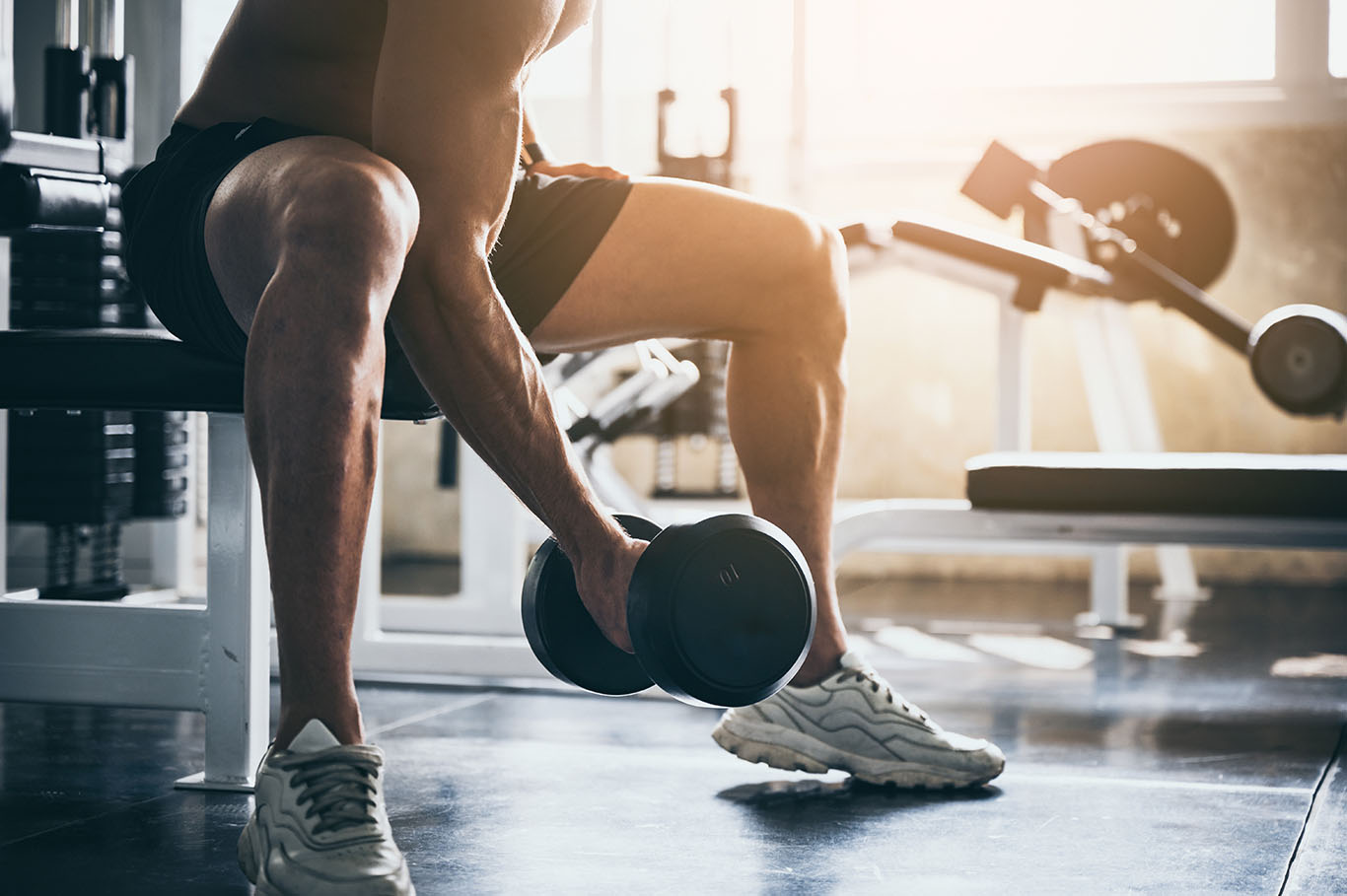
Weight lifting with dumbbells is more than just a fitness trend. It’s a powerful way to sculpt your body, boost strength, and enhance overall health. Whether you’re a seasoned gym-goer or just starting out on your fitness journey, incorporating dumbbells into your routine can yield fantastic results. These versatile tools offer countless exercises that target various muscle groups while allowing for full range of movement.
Dumbbells are easily accessible and perfect for workouts at home or in the gym. They challenge your muscles differently compared to machines, leading to improved balance and coordination. Plus, they don’t take up much space! If you’re curious about how to use them effectively and safely, you’re in the right place. Let’s dive into the world of dumbbell training together!
Benefits of Using Dumbbells for Strength Training
Dumbbells are a versatile tool in strength training. They allow for a wide range of exercises targeting different muscle groups.
One major benefit is the improvement in balance and coordination. Unlike fixed machines, dumbbells require stabilizing muscles to engage, enhancing overall functional fitness.
Using dumbbells also promotes unilateral training. This means you can work on one side of your body at a time, correcting muscle imbalances and improving symmetry.
Another advantage is the adaptability they offer. You can easily adjust weights as you progress or tailor workouts to your specific goals—whether that’s building mass or toning up.
Moreover, incorporating dumbbells into your routine can boost metabolism through increased muscle engagement. The more muscles you use during an exercise, the higher your caloric burn will be post-workout.
Using dumbbells allows for greater freedom of movement compared to traditional gym machines. This helps maintain natural body mechanics while reducing strain on joints.
Top Dumbbell Exercises for Building Muscle
Dumbbells are versatile tools for muscle building. They offer a range of exercises that target various muscle groups.
The dumbbell bench press is a classic choice. This exercise targets your chest and triceps while engaging the shoulders. It allows you to isolate each side, promoting balanced strength.
Another powerful option is the bent-over row. This movement focuses on your back muscles, helping to improve posture and upper body strength. A strong back supports overall fitness.
For those looking to work their legs, try goblet squats. Holding one dumbbell close to your chest engages both your quads and glutes effectively.
Don’t overlook shoulder presses with dumbbells either! They help in developing shoulder stability and strength, which is essential for daily activities.
Incorporating these exercises into your routine can lead to significant gains in muscle mass over time. Mix them up for an effective workout plan tailored just for you.
How to Incorporate Dumbbells into Your Workout Routine
Incorporating dumbbells into your workout routine is straightforward and rewarding. Start by identifying the muscle groups you want to target, whether it’s arms, legs, or core.
Consider adding dumbbell exercises at the beginning of your session for strength training. This ensures you tackle heavier weights while you’re fresh.
You can also integrate them during compound movements like squats or lunges. Holding a dumbbell in each hand enhances resistance, making these exercises even more effective.
Another approach is to use dumbbells for circuit training. Pair them with bodyweight moves for a balanced workout that keeps your heart rate up.
Don’t forget to mix things up! Alternate between different exercises to prevent boredom and engage various muscle fibers. The key is consistency—aim for two to three sessions per week focusing on different areas of the body each time.
Common Mistakes to Avoid When Using Dumbbells
Using dumbbells can be incredibly effective, but there are common pitfalls to watch out for. One major mistake is neglecting form. Proper technique ensures that you target the right muscles and avoid injury.
Another issue is lifting weights that are too heavy. This often leads to poor execution and might discourage progress. Start with a manageable weight to build your strength gradually.
Many people also forget about balancing their workouts. Focusing solely on certain muscle groups can create imbalances and lead to problems down the line.
Not warming up properly before diving into exercises can increase the risk of strains or pulls. A few minutes of light cardio followed by dynamic stretches go a long way in preparing your body for action.
Tips for Choosing the Right Weight and Progressing Safely
Choosing the right weight for your dumbbell exercises can be a game-changer. Start light to master your form. Proper technique is crucial before increasing resistance.
Listen to your body during workouts. If you struggle to complete the last few reps with good form, it’s time to reassess the weight you’re using. Remember, challenging yourself should not come at the expense of safety.
Progress gradually by adding small increments in weight—typically 2.5 or 5 pounds works well. This method helps build strength without risking injury.
Don’t forget about variety! Switch up exercises and target different muscle groups regularly. This keeps things fresh and encourages balanced development.
Track your progress consistently. Keeping a journal can help you see improvements over time and motivate you to keep pushing forward safely on your fitness journey.
Conclusion
Weight lifting with dumbbells is a powerful tool for anyone looking to enhance their strength training routine. By focusing on the unique benefits these versatile weights offer, you can significantly improve your muscle-building efforts and overall fitness.
Dumbbells allow for a range of exercises that target different muscle groups effectively. Incorporating movements such as dumbbell squats, presses, and rows into your workouts can lead to noticeable gains in strength and endurance.
It’s essential to remember how to use dumbbells safely. Avoid common mistakes like using improper form or choosing weights that are too heavy. Start light and gradually increase resistance as you grow stronger. This approach not only helps prevent injury but also supports consistent progress.
Choosing the right weight is crucial for maximizing results while minimizing risk. Listen to your body and adjust accordingly; this ensures sustainable growth over time.
Embracing dumbbell exercises can transform your fitness journey, making it both enjoyable and rewarding. Whether you’re at home or in a gym setting, these weights provide flexibility in your workout regime that few other tools can match.
Incorporate what you’ve learned here into your training plan, stay committed to improving yourself physically, and watch how effective these simple yet powerful tools become in achieving your goals.